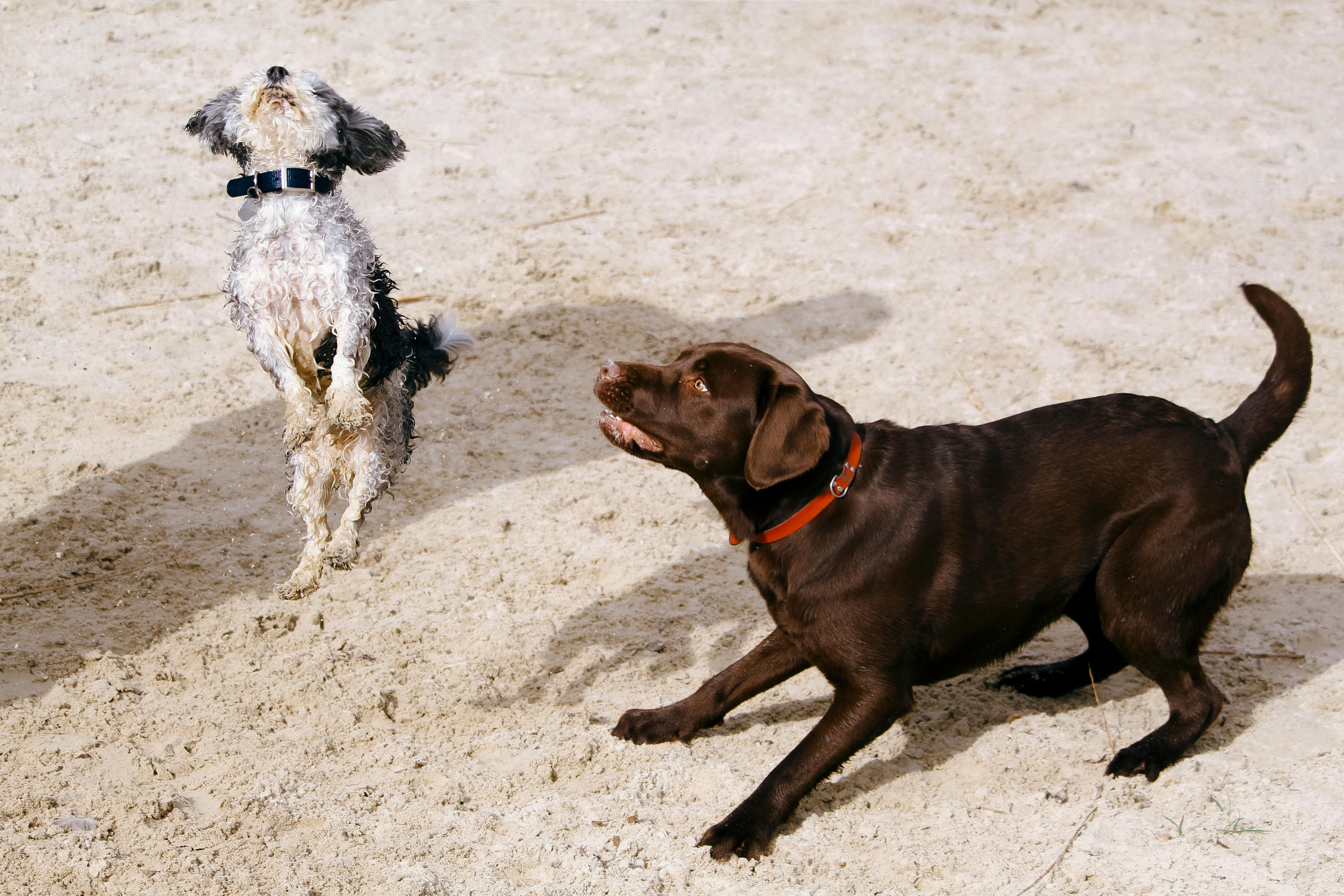
Dogs are naturally social creatures, yet many owners struggle to provide their pets with safe, structured opportunities for interaction. Supervised dog play groups offer a controlled environment where canines can exercise, learn social cues, and develop confidence under the watchful eye of experienced facilitators. By combining physical activity with behavioral guidance, these groups address both the mental and physical needs of dogs while reducing the risk of injury or conflict. Understanding the benefits and best practices of supervised play can help owners make informed decisions that enhance their dog’s overall wellbeing.
Key Benefits of Supervised Play
When play sessions are overseen by knowledgeable staff, several positive outcomes emerge:
- Reduced Aggression: Trained supervisors can intervene early, preventing minor scuffles from escalating.
- Improved Physical Health: Regular, vigorous activity supports joint health, weight management, and cardiovascular fitness.
- Enhanced Mental Stimulation: Interaction with different dogs and varied play scenarios keeps a dog’s mind active and reduces boredom-related behaviors.
- Social Skill Development: Dogs learn appropriate body language, turn-taking, and conflict resolution in a safe setting.
For a deeper dive into why structured play matters, Read more about this topic.
Safety Considerations
Safety is the cornerstone of any successful dog play group. The following measures are typically employed to protect participants:
- Pre-screening for vaccinations and health status.
- Size-and-temperament based grouping to match compatible dogs.
- Clear rules communicated to owners and participants.
- On-site first-aid kits and trained personnel ready to respond.
Detailed guidelines on maintaining a secure environment can be found in many online resources; Learn more in this detailed guide.
Socialization Advantages
Why Social Skills Matter
Proper socialization reduces fear-based reactions and helps dogs navigate everyday situations, from park visits to veterinary appointments. In a supervised setting, dogs encounter a variety of breeds, ages, and energy levels, which broadens their social repertoire.
Positive Outcomes for Owners
Owners also benefit from observing their dogs interact. They gain insight into body language, learn to read stress signals, and become more confident in managing off-leash encounters. This knowledge often translates to better control during walks and public outings.
To explore additional perspectives on canine social development, Explore further insights here.
Choosing the Right Play Group
Not every play group will suit every dog. Consider the following criteria when evaluating options:
- Facilitator Expertise: Look for staff with certifications in canine behavior or professional training.
- Group Size: Smaller groups often allow for more individualized attention.
- Facility Layout: Open, fenced areas with separate zones for different activity levels are ideal.
- Frequency & Duration: Sessions should be long enough for meaningful interaction but short enough to prevent fatigue.
For practical tips on evaluating local offerings, Find additional information here.
Best Practices for Dog Owners
Even in supervised environments, owners play a crucial role in ensuring a positive experience. Follow these guidelines:
- Arrive on time and allow your dog a brief acclimation period.
- Bring water and a clean towel for post-play hygiene.
- Observe your dog’s body language; intervene if signs of stress appear.
- Respect the group’s rules regarding leashes, toys, and feeding.
- Provide feedback to facilitators to help improve future sessions.
For a concise checklist of owner responsibilities, Read more about this topic.
Conclusion
Supervised dog play groups represent a balanced approach to canine enrichment, blending physical exercise with guided social learning. By prioritizing safety, leveraging professional oversight, and encouraging responsible ownership, these groups foster healthier, happier dogs and more confident owners. Incorporating regular, supervised play into a dog’s routine can be a pivotal factor in preventing behavioral issues, enhancing overall quality of life, and strengthening the human-dog bond.