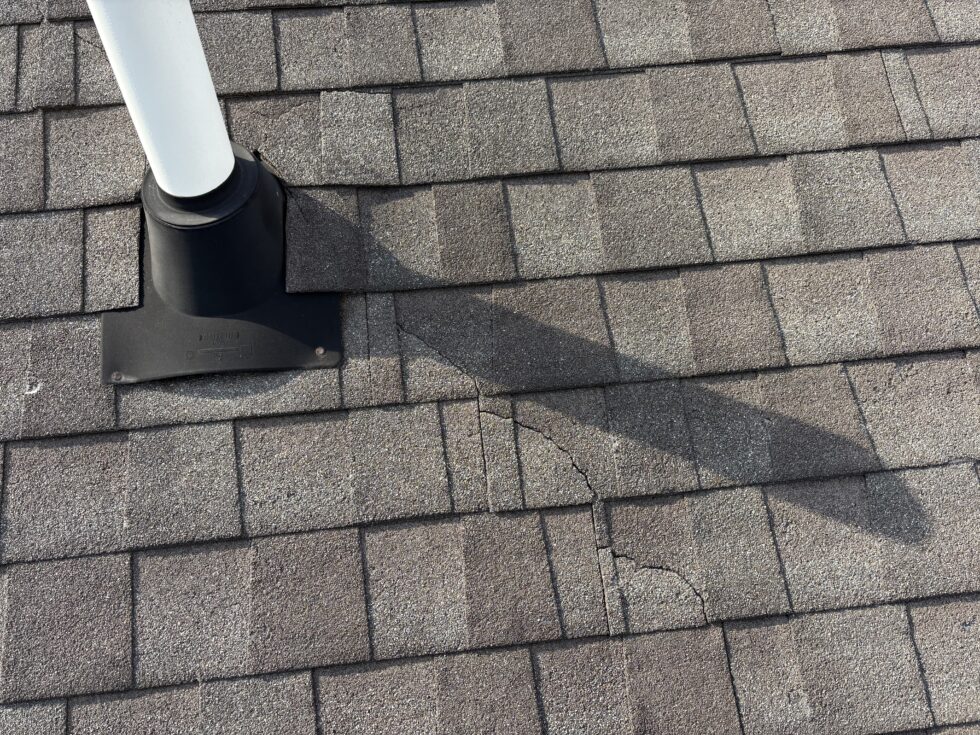
Storms can wreak havoc on residential and commercial properties, with roofs often bearing the brunt of these natural disasters. Addressing storm damage promptly and effectively is crucial to maintaining the integrity of a structure. Professional storm damage roof repair is not just about fixing visible damage but involves a comprehensive assessment and tailored repair strategy to ensure long-term resilience and safety. This article explores the critical aspects of professional storm damage roof repair, highlighting key considerations and best practices.
Understanding Storm-Induced Roof Damage
Storms can cause a variety of damages to roofs, ranging from minor to severe. It’s essential to understand the different types of damage that can occur:
- Wind Damage: High winds can lift shingles, detach roof tiles, and even remove entire sections of roofing.
- Hail Impact: Hailstones can dent metal roofs, crack shingles, and cause significant structural damage.
- Water Intrusion: Heavy rains can lead to leaks, mold growth, and wood rot if the roof is compromised.
- Debris Damage: Fallen branches and debris can puncture and scar the roof surface, leading to further complications.
For more detailed insights on identifying and dealing with these issues, discover expert strategies here.
The Importance of Professional Inspection
A professional inspection is a critical first step in the roof repair process following a storm. Trained experts can identify both visible and hidden damages, ensuring no issue is overlooked. Key benefits of a professional inspection include:
- Comprehensive Assessment: Professionals evaluate the entire roofing system, including shingles, flashing, gutters, and structural components.
- Damage Documentation: Detailed reports help in insurance claims and future maintenance planning.
- Safety Assurance: Experts can safely navigate potentially hazardous conditions, ensuring safety for all involved.
To understand more about the methodologies used in inspections, learn about our tailored solutions.
Effective Repair Techniques
Once the damages are assessed, employing effective repair techniques is paramount. Here are some strategies employed by professionals:
Shingle Replacement and Repair
Replacing damaged shingles promptly prevents further water intrusion and maintains the aesthetic appeal of the roof. Shingle repair can range from simple patching to full replacements, depending on the extent of the damage.
Sealing and Waterproofing
Applying sealants and waterproofing materials helps to protect against future water damage. These treatments provide an extra layer of defense against the elements.
Structural Reinforcement
In cases of severe damage, structural reinforcement may be necessary. This can involve adding support beams or replacing compromised sections of the roof structure.
For those interested in exploring advanced guides and tips on these techniques, explore advanced guides and tips.
Choosing the Right Professionals
Selecting the right professionals for storm damage roof repair is crucial for ensuring quality and longevity. Consider the following factors:
- Experience and Certification: Choose professionals with industry certifications and a proven track record of successful repairs.
- Comprehensive Services: Opt for services that offer a full range of repair and maintenance solutions.
- Customer Reviews and Recommendations: Research customer feedback and seek recommendations to gauge the quality of service.
To find out more about this approach, find out more about this approach.
In conclusion, addressing storm damage through professional roof repair is essential for preserving the safety and value of any property. By understanding the types of damage, the importance of inspections, effective repair techniques, and choosing the right professionals, property owners can ensure their roofs are resilient against future storms.