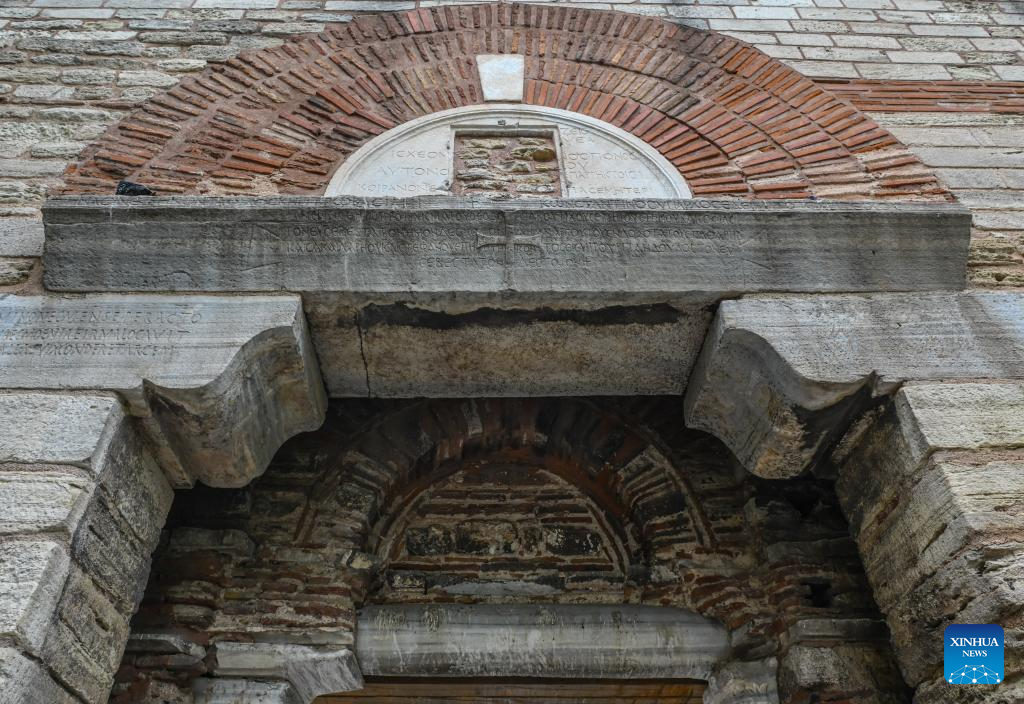
Heritage restoration is an essential practice that bridges the gap between the past and the present. By preserving historical structures, we safeguard the cultural narratives of our ancestors and ensure their stories continue to inspire future generations. This intricate process not only involves maintaining the aesthetic and historical integrity of buildings but also requires an in-depth understanding of materials, techniques, and modern technologies. The passion for preserving history drives professionals to explore innovative methods and adopt best practices, ensuring that heritage sites remain vibrant and relevant in today’s fast-paced world.
The Importance of Heritage Restoration
Heritage restoration is crucial for a variety of reasons:
- Preservation of cultural identity and history
- Promotion of tourism and local economy
- Conservation of architectural craftsmanship and artistry
- Environmental benefits through the reuse of existing structures
By restoring heritage buildings, communities can celebrate their unique identities and maintain a tangible connection to their past. Discover expert strategies here for effective heritage restoration techniques.
Key Strategies in Heritage Restoration
Understanding the Historical Significance
Before commencing any restoration project, it is vital to understand the historical significance of the site. This involves:
- Researching the building’s history and original purpose
- Identifying significant architectural features and design elements
- Consulting historical records and expert opinions
A thorough understanding helps guide the restoration process, ensuring that the site’s narrative remains intact. Learn about our tailored solutions for addressing the complexities of historical architecture.
Utilizing Authentic Materials and Techniques
Authenticity is a cornerstone of heritage restoration. It is essential to use materials and techniques that are consistent with the original construction. This may include:
- Source local materials that match the original ones as closely as possible
- Employ traditional craftsmanship techniques
- Engage skilled artisans familiar with historical building methods
By doing so, the restored structure not only looks authentic but also maintains its historical and cultural value. Explore advanced guides and tips on the use of traditional materials in modern restoration.
Modern Technologies in Heritage Restoration
While traditional methods are crucial, modern technologies play a significant role in enhancing the efficiency and precision of restoration projects. Key modern technologies include:
- 3D scanning and modeling for accurate replication of architectural details
- Advanced conservation techniques for material preservation
- Use of sustainable practices to ensure environmental compatibility
These technologies allow for meticulous planning and execution, ensuring that restoration projects can meet both aesthetic and functional requirements. Find out more about this approach to integrating modern technology in heritage restoration projects.
Conclusion
Heritage restoration is an intricate blend of art, science, and passion. It requires a deep respect for history and a commitment to preserving the legacy of our ancestors. By employing a combination of traditional craftsmanship and modern technology, restoration professionals can ensure that these architectural treasures continue to enrich our cultural landscape. Engaging with expert strategies and solutions is essential to maintain the integrity and beauty of our shared heritage. Through careful planning and execution, heritage restoration honors the past while making it accessible and relevant to the present and future generations.