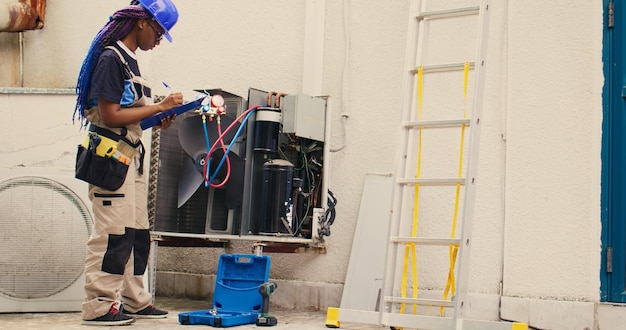
Industrial heating, ventilation, and air-conditioning (HVAC) systems are the backbone of manufacturing plants, data centers, warehouses, and large commercial facilities. When these systems fail, productivity drops, equipment can overheat, and safety risks rise dramatically. Selecting a contractor with deep technical knowledge, proven project management skills, and a commitment to regulatory compliance is essential for keeping operations running smoothly. This article outlines the key considerations when choosing an expert industrial HVAC contractor and highlights the services that deliver reliable, energy-efficient performance.
Why Specialized Expertise Matters
Industrial HVAC projects differ from residential or small-commercial installations in scale, complexity, and the critical nature of the environment they serve. The following factors illustrate why specialized expertise is non-negotiable:
- System Size and Load Calculations: Accurate load analysis ensures that equipment is neither oversized (wasting energy) nor undersized (causing frequent breakdowns).
- Compliance with Codes and Standards: Projects must meet ASHRAE, OSHA, and local building codes, which require detailed documentation and inspections.
- Integration with Process Equipment: Many facilities need HVAC systems that coordinate with production machinery, clean-room environments, or hazardous-area classifications.
- Lifecycle Cost Management: Expert contractors evaluate total cost of ownership, including maintenance contracts, spare-part availability, and energy-saving retrofits.
Core Services Offered by Top Contractors
Design and Engineering
Effective HVAC design starts with a thorough site survey, followed by detailed engineering drawings that incorporate ductwork sizing, airflow modeling, and equipment selection. Advanced design tools simulate real-world performance, helping to predict potential issues before installation.
Installation and Commissioning
Installation must follow a precise sequence to avoid conflicts with other trades and to ensure proper alignment of components. Commissioning validates that every element operates within design parameters, providing a documented performance baseline.
Preventive Maintenance Programs
Regular maintenance extends equipment life, reduces unexpected downtime, and maintains efficiency. Service plans typically include:
- Routine inspections of filters, belts, and coils.
- Calibration of sensors and control systems.
- Performance testing and energy audits.
- Predictive analytics using IoT sensors for early fault detection.
Evaluating Contractor Credentials
When assessing potential partners, consider the following qualifications:
- Industry certifications such as NATE, HVAC Excellence, or ISO 9001.
- Documented experience with similar facility types and equipment brands.
- Strong safety record and a clear protocol for emergency response.
- Access to a reliable parts inventory and manufacturer support.
For a deeper look at how these criteria translate into real-world project success, Discover expert strategies here.
Energy Efficiency and Sustainability
Modern industrial facilities are under pressure to reduce carbon footprints while controlling operating costs. Contractors that specialize in high-efficiency solutions can deliver measurable savings through:
- Variable speed drives (VSDs) for fans and pumps.
- Heat recovery systems that capture waste heat for process use.
- Smart building controls that optimize setpoints based on occupancy and production schedules.
- Integration of renewable energy sources, such as solar-assisted HVAC.
To explore detailed guidance on implementing these technologies, Explore advanced guides and tips.
Project Management Best Practices
Large-scale HVAC projects benefit from a structured management approach that includes:
- Clear scope definition and milestone tracking.
- Regular progress meetings with stakeholders.
- Risk assessments and mitigation plans.
- Transparent budgeting and change-order procedures.
Effective communication between the contractor, facility engineers, and equipment vendors is essential for staying on schedule and within budget.
Case Study Snapshot
A recent retrofit of a 250,000-square-foot manufacturing plant required replacement of aging chillers, installation of a new building automation system, and integration with an existing compressed-air network. By leveraging a contractor with proven expertise, the project achieved:
- 30% reduction in peak cooling load.
- 15% annual energy cost savings.
- Zero unplanned downtime during the transition.
Details on similar successful implementations can be found by Find out more about this approach.
Choosing the Right Partner
To summarize, the ideal industrial HVAC contractor should combine technical depth, regulatory knowledge, and a proactive maintenance philosophy. By focusing on proven experience, robust certification, and a commitment to energy-efficient solutions, facilities can safeguard operations, extend equipment life, and achieve sustainable cost reductions.
For additional insights and tailored recommendations, reviewing the resources available at the specialist’s website will provide actionable information that aligns with specific industry needs.