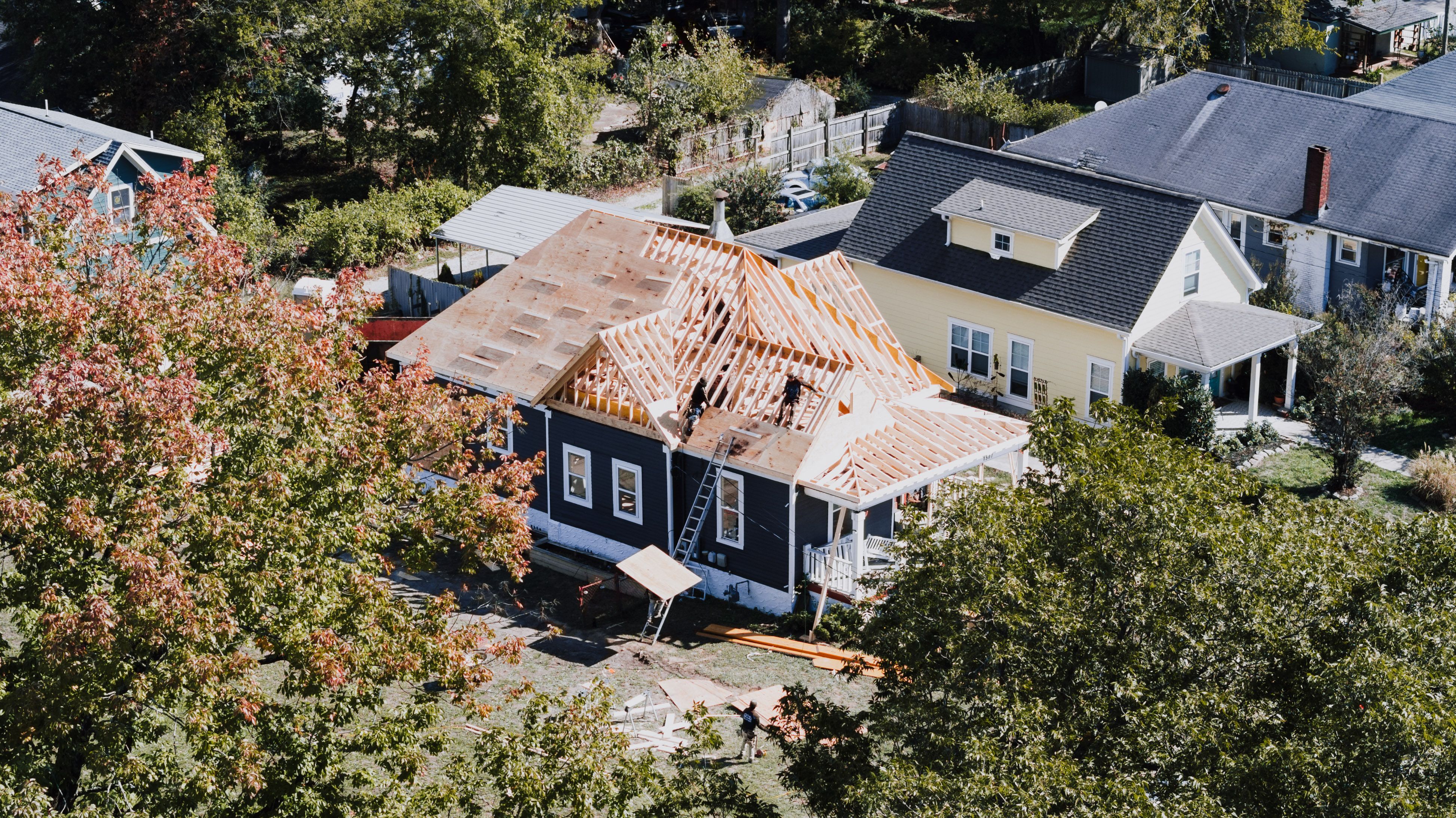
In the realm of construction and architecture, design build services have emerged as a revolutionary approach that streamlines project delivery from concept to creation. By integrating design and construction services under a single contract, this method eliminates the traditional divide between the designer and the builder. This integration fosters enhanced collaboration, reduces risks, and often accelerates project timelines, making it an appealing option for many clients. The design build model is particularly advantageous in complex projects where seamless communication and adaptability are crucial. As more projects demand efficiency and innovation, understanding the intricacies of design build services becomes essential for stakeholders across the construction industry.
The Design Build Process Explained
The design build process is characterized by its consolidated approach, where a single entity is responsible for both design and construction. This leads to numerous benefits, such as:
- Single Point of Responsibility: Clients deal with one entity, simplifying communication and accountability.
- Cost Efficiency: With unified teams, potential design changes and associated costs are minimized.
- Time Savings: Overlapping design and construction phases reduce the overall project timeline.
- Enhanced Collaboration: Continuous communication between design and construction teams fosters innovation and problem-solving.
To gain a deeper understanding of how these elements interplay, explore further insights here.
Initial Stages: From Concept to Design
The journey begins with the conceptualization phase, where the client’s vision is translated into a preliminary design. This stage involves:
Client Consultation
- Understanding the client’s needs, budget, and timeline.
- Discussing design preferences and functional requirements.
- Establishing project goals and constraints.
Preliminary Design and Feasibility
- Creating initial design sketches and layouts.
- Conducting feasibility studies to address any potential challenges.
- Refining the design based on client feedback.
For a comprehensive breakdown of these initial stages, learn more in this detailed guide.
Transitioning to Construction
Once the design is finalized, the project transitions to the construction phase. This phase is marked by:
Final Design Approval
- Completing detailed design drawings and specifications.
- Securing necessary permits and approvals.
- Finalizing budgets and timelines.
Construction Execution
- Coordinating with subcontractors and suppliers.
- Implementing quality control measures to ensure standards are met.
- Maintaining open communication with the client for updates and adjustments.
To understand the intricacies involved in this transition, find additional information here.
The Benefits and Challenges of Design Build Services
Design build services offer numerous benefits but also come with their own set of challenges. The advantages include:
- Streamlined Project Management: Simplifies oversight with a single point of contact.
- Flexibility: Allows for adaptive changes without significant disruptions.
- Innovative Solutions: Encourages creative problem-solving through collaborative efforts.
However, potential challenges might include:
- Initial Cost Agreements: Ensuring that the initial cost estimates are accurate and comprehensive.
- Risk Management: Balancing risks between the design and construction phases.
- Finding the Right Team: Selecting a design build team with the right expertise and experience.
For a balanced perspective on these aspects, read more about this topic.
In conclusion, design build services offer a compelling alternative to traditional construction methods. By merging design and construction into a single streamlined process, this approach not only enhances efficiency but also fosters innovation and collaboration. As the construction industry continues to evolve, the design build model is poised to play an increasingly significant role in shaping the built environment.