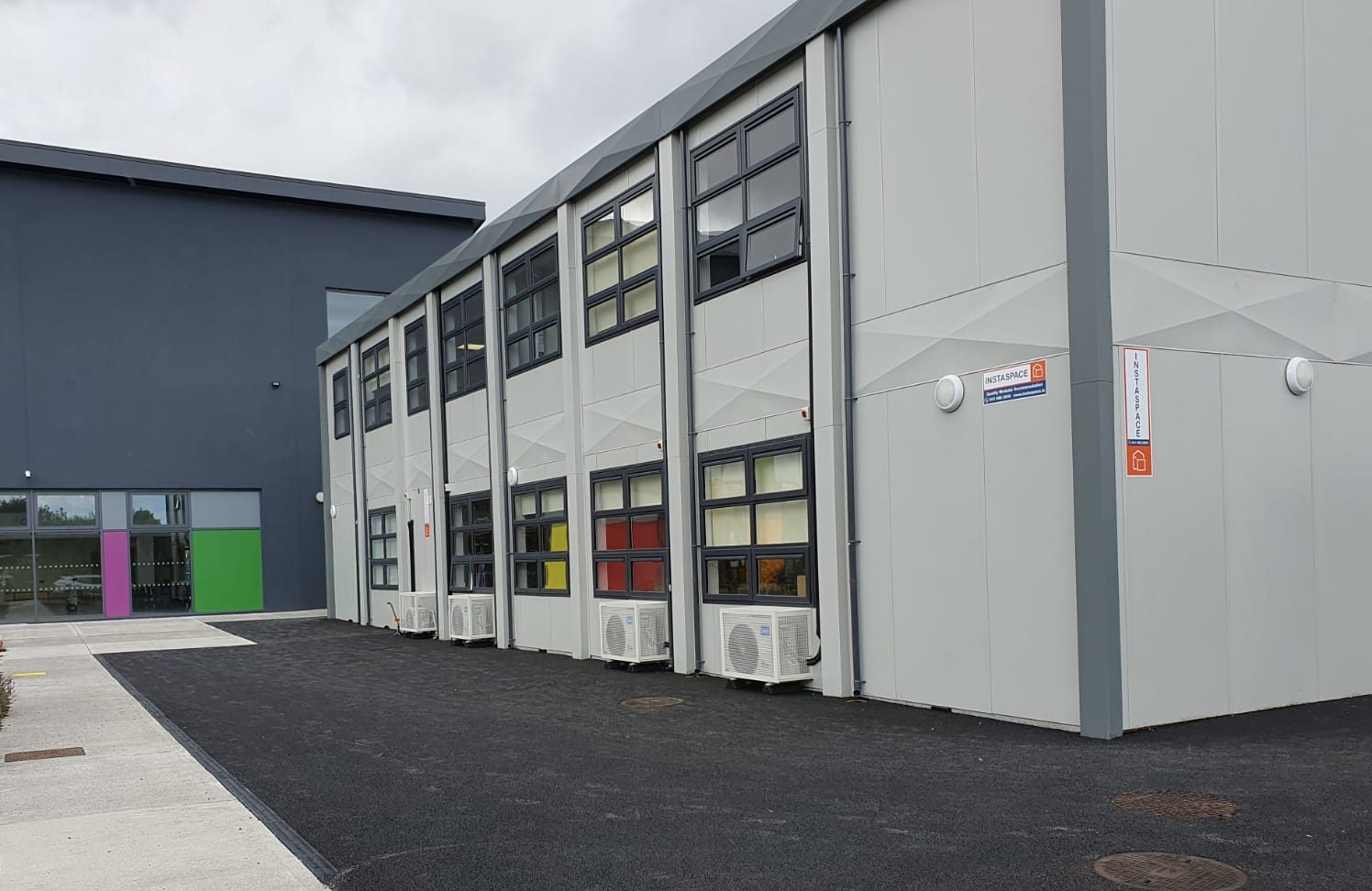
In today’s fast-paced business environment, the need for flexible and efficient workspace solutions is more crucial than ever. Modular warehouse buildings have emerged as a versatile solution, offering adaptability and efficiency for various industries. These structures provide customizable environments that meet the specific needs of businesses, making them an attractive option for companies looking to optimize their operations. By leveraging the benefits of modular design, businesses can enhance productivity, minimize costs, and adapt to evolving demands without the need for extensive construction projects.
Understanding Modular Warehouse Buildings
Modular warehouse buildings are prefabricated structures that can be quickly assembled on-site. They offer a host of benefits that make them ideal for creating efficient workspaces. Here are some key features:
- Flexibility: Modular buildings can be easily reconfigured, expanded, or relocated as a business grows or changes.
- Cost-Effectiveness: The prefabrication process reduces labor costs and construction time.
- Sustainability: These buildings often use sustainable materials and reduce waste through efficient manufacturing processes.
- Quick Deployment: Modular buildings can be set up in a fraction of the time required for traditional construction.
Discover expert strategies here for implementing modular buildings in diverse business settings.
Designing an Efficient Workspace
Customizable Layouts
One of the standout features of modular warehouse buildings is their customizable layouts. Businesses can design their spaces to include:
- Open-plan areas for collaborative projects.
- Private offices and meeting rooms for focused work.
- Storage solutions tailored to specific inventory needs.
Learn about tailored solutions for designing modular workspaces by visiting this page.
Integrating Technology
Modern modular warehouses are equipped to handle advanced technological integrations, such as:
- Smart lighting and HVAC systems for energy efficiency.
- Advanced security systems to protect assets.
- Connectivity solutions for seamless communication and data management.
Explore advanced guides and tips on integrating technology into modular designs here.
Benefits of Modular Design for Businesses
Modular warehouse buildings offer various advantages that align with the operational goals of businesses:
Scalability
As businesses grow, the need for additional space can be addressed efficiently with modular buildings. The ability to scale up or down ensures that the workspace remains aligned with business requirements without significant downtime. Find out more about this approach to scalable workspace solutions.
Cost Management
Modular construction is often more cost-effective than traditional building methods, due to the reduced time and labor involved. This allows businesses to allocate resources to other critical areas, such as technology upgrades or workforce development.
Environmental Impact
With a focus on sustainability, modular buildings often feature eco-friendly materials and energy-efficient designs that reduce the environmental footprint. This commitment to sustainability not only benefits the planet but also enhances a company’s corporate responsibility profile.
Conclusion
Creating efficient workspaces with modular warehouse buildings provides a strategic advantage in today’s competitive market. By offering flexibility, cost-effectiveness, and sustainability, these structures meet the diverse needs of modern businesses. Whether looking to expand, relocate, or optimize existing operations, modular solutions provide a pathway to enhanced productivity and operational success. For more insights and strategies, explore further resources on how modular designs can transform business operations.