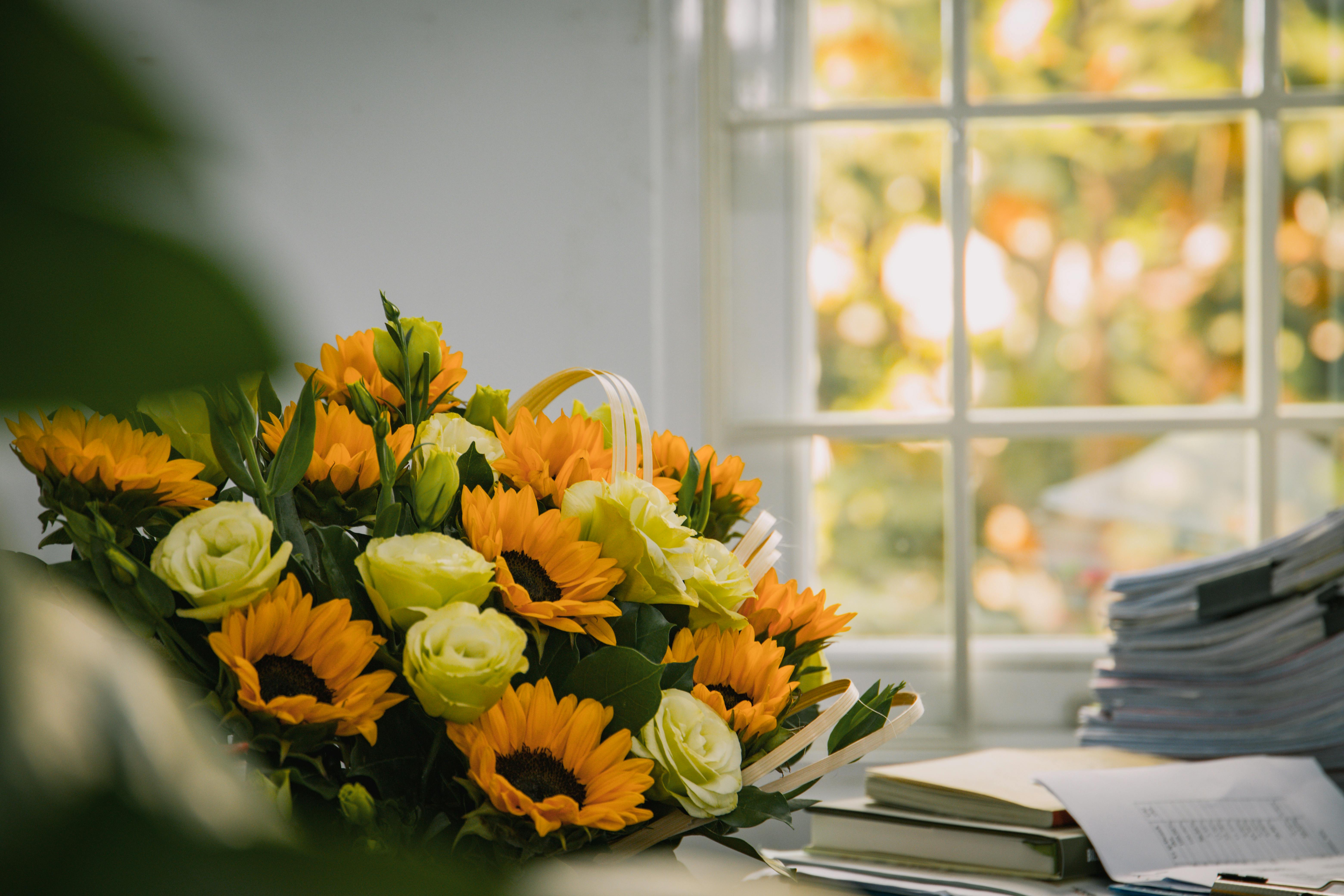
Creating a professional office environment goes beyond functional furniture and efficient workflows; the visual atmosphere plays a crucial role in shaping employee morale, client perception, and overall productivity. Thoughtful business decor solutions balance aesthetics with practicality, ensuring that every element, from color palettes to lighting, contributes to a cohesive, inspiring workspace. This guide outlines key considerations and actionable strategies for designing an office that reflects professionalism while supporting the daily needs of its occupants.
Understanding the Core Principles of Office Decor
Brand Alignment Without Direct Branding
- Choose a color scheme that echoes the company’s values, neutral tones for stability, blues for trust, and greens for growth.
- Incorporate subtle textures and patterns that reinforce the desired corporate personality without overt logos.
- Utilize artwork that conveys the industry’s ethos, such as abstract pieces that suggest innovation or nature-inspired prints that promote sustainability.
Functionality First
- Designate zones for collaboration, focused work, and relaxation, each with appropriate furnishings and acoustic treatment.
- Ensure that desk layouts provide adequate clearance for movement and comply with ergonomic standards.
- Integrate technology seamlessly, cable management, wireless charging stations, and adjustable monitor arms.
Key Elements of Professional Office Decor
Color and Paint
Color influences mood and concentration. Lighter shades expand perceived space, while deeper hues add a sense of authority. When selecting paint, consider the following:
- Accent walls in muted blues or greys to create focal points without overwhelming the space.
- High-gloss finishes for trim and doors to reflect light and enhance brightness.
- Consultation with interior design resources can provide deeper insight, Read more about this topic.
Lighting Design
Effective lighting reduces eye strain and improves energy levels. A layered approach works best:
- Ambient lighting: Recessed LEDs or diffused ceiling fixtures for even illumination.
- Task lighting: Adjustable desk lamps or under-cabinet lights for detailed work.
- Accent lighting: Spotlights on artwork or architectural features to add visual interest.
- Energy-efficient solutions also contribute to sustainability goals, Learn more in this detailed guide.
Furniture Selection
Furniture should combine comfort, durability, and style. Consider the following criteria:
- Ergonomic chairs with lumbar support and breathable upholstery.
- Modular desks that can be reconfigured for changing team structures.
- Conference tables with integrated power outlets and cable routing.
- Materials such as reclaimed wood or metal frames convey a modern, responsible image.
- For deeper design inspiration, Explore further insights here.
Artwork and Decorative Accents
Strategically placed artwork adds personality while maintaining a professional tone. Tips include:
- Select pieces that complement the color scheme and avoid overly busy compositions.
- Use large-scale prints in reception areas to create a welcoming first impression.
- Incorporate subtle nature motifs, such as abstract botanical prints, to foster a calm environment.
- Guidelines for curating office art can be found at Find additional information here.
Optimizing Space for Collaboration and Privacy
Flexible Work Zones
Modern offices require adaptability. Implement these solutions:
- Movable partitions that can transform open areas into private meeting rooms.
- Phone booths equipped with sound-absorbing panels for confidential calls.
- Shared lounge furniture that encourages informal brainstorming.
Acoustic Management
Noise control enhances focus. Effective strategies include:
- Acoustic ceiling tiles and wall panels that reduce reverberation.
- Carpeting or rubber flooring in high-traffic zones to dampen footsteps.
- Soft furnishings, such as upholstered chairs and fabric curtains, to absorb sound.
Sustainability and Health Considerations
Eco-Friendly Materials
- Choose furniture made from certified sustainable wood or recycled metal.
- Opt for low-VOC paints and finishes to improve indoor air quality.
- Incorporate biophilic elements, such as living walls or potted plants, which also boost employee wellbeing.
Wellness-Focused Layout
- Provide standing desks or sit-stand workstations to encourage movement.
- Designate a quiet zone with comfortable seating for short breaks or meditation.
- Ensure ample natural light by positioning workstations near windows whenever possible.
Implementation Checklist
- Define the desired atmosphere and align it with the company’s core values.
- Develop a floor plan that delineates work, collaboration, and relaxation zones.
- Select a cohesive color palette and finish schedule.
- Choose lighting solutions that address ambient, task, and accent needs.
- Specify furniture that meets ergonomic standards and offers modular flexibility.
- Integrate artwork and decorative elements that reinforce the professional tone.
- Apply acoustic treatments to manage noise levels.
- Prioritize sustainable materials and indoor-air-quality improvements.
- Conduct a final walkthrough to ensure all elements function together harmoniously.
By thoughtfully combining these decor strategies, an office can evolve into a space that not only looks professional but also supports the health, productivity, and satisfaction of its occupants. Continuous evaluation and adaptation of the environment will keep the workspace aligned with evolving business needs and design trends.