Vitamin”?C is one of the most researched nutrients in modern nutrition, known for its powerful antioxidant properties, immune-supporting role, and contribution to collagen synthesis. Whether the goal is to improve daily energy levels, support skin health, or simply fill a dietary gap, choosing the right supplement can make a noticeable difference. This guide breaks down the science, practical considerations, and top strategies for integrating vitamin”?C into a balanced wellness routine, helping readers make informed decisions without feeling overwhelmed.
Why Vitamin”?C Matters: Core Benefits Explained
Understanding the physiological functions of vitamin”?C clarifies why supplementation is often recommended, especially for individuals with increased oxidative stress or limited dietary intake.
- Antioxidant defense: Neutralizes free radicals, protecting cells from oxidative damage that can accelerate aging.
- Immune modulation: Enhances the function of white blood cells, supports the skin’s barrier function, and may reduce the duration of common colds.
- Collagen production: Essential for the synthesis of collagen, a protein that maintains the integrity of skin, blood vessels, tendons, and cartilage.
- Iron absorption: Converts dietary iron into a form that the body can readily absorb, helping prevent iron-deficiency anemia.
- Neurotransmitter synthesis: Involved in the creation of norepinephrine, influencing mood and cognitive performance.
Choosing the Right Vitamin”?C Supplement
Not all vitamin”?C products are created equal. Several factors influence bioavailability, convenience, and overall effectiveness.
Form Matters
- Ascorbic acid: The pure, synthetic form; highly bioavailable but can be acidic to the stomach.
- Buffered vitamin”?C: Combines ascorbic acid with minerals like calcium or magnesium, reducing acidity and easing digestion.
- Natural sources: Extracts from fruits (e.g., acerola cherry) often contain bioflavonoids that may enhance absorption.
- Delivery method: Capsules, tablets, powders, and gummies each offer different dosing flexibility.
Dosage Recommendations
Typical daily dosages range from 500″?mg to 2,000″?mg, depending on individual needs and health goals. The following guidelines can help determine an appropriate amount:
- General wellness: 500″?mg-1,000″?mg per day.
- Intense physical activity or high oxidative stress: 1,000″?mg-2,000″?mg per day.
- Therapeutic use (e.g., cold support): Up to 2,000″?mg, split into multiple doses to maintain steady blood levels.
Quality Indicators
When evaluating products, look for the following certifications and attributes:
- Third-party testing for purity and potency.
- Transparent labeling with clear ingredient lists.
- Absence of unnecessary fillers, artificial colors, or allergens.
- Manufacturing standards such as GMP (Good Manufacturing Practice).
For a curated selection that meets these criteria, the best vitamin c supplement options are often highlighted for their balanced formulation and rigorous quality control.
How to Incorporate Vitamin”?C Into Your Routine
Integrating vitamin”?C effectively involves timing, pairing with complementary nutrients, and monitoring personal response.
Timing and Frequency
- Split doses throughout the day (e.g., morning and evening) to maintain stable plasma levels.
- Take with meals to improve absorption, especially when using buffered forms.
- Avoid taking large single doses on an empty stomach if gastrointestinal sensitivity is a concern.
Synergistic Nutrients
Pairing vitamin”?C with certain nutrients can boost its efficacy:
- Bioflavonoids: Found in citrus fruits and berries, they enhance antioxidant capacity.
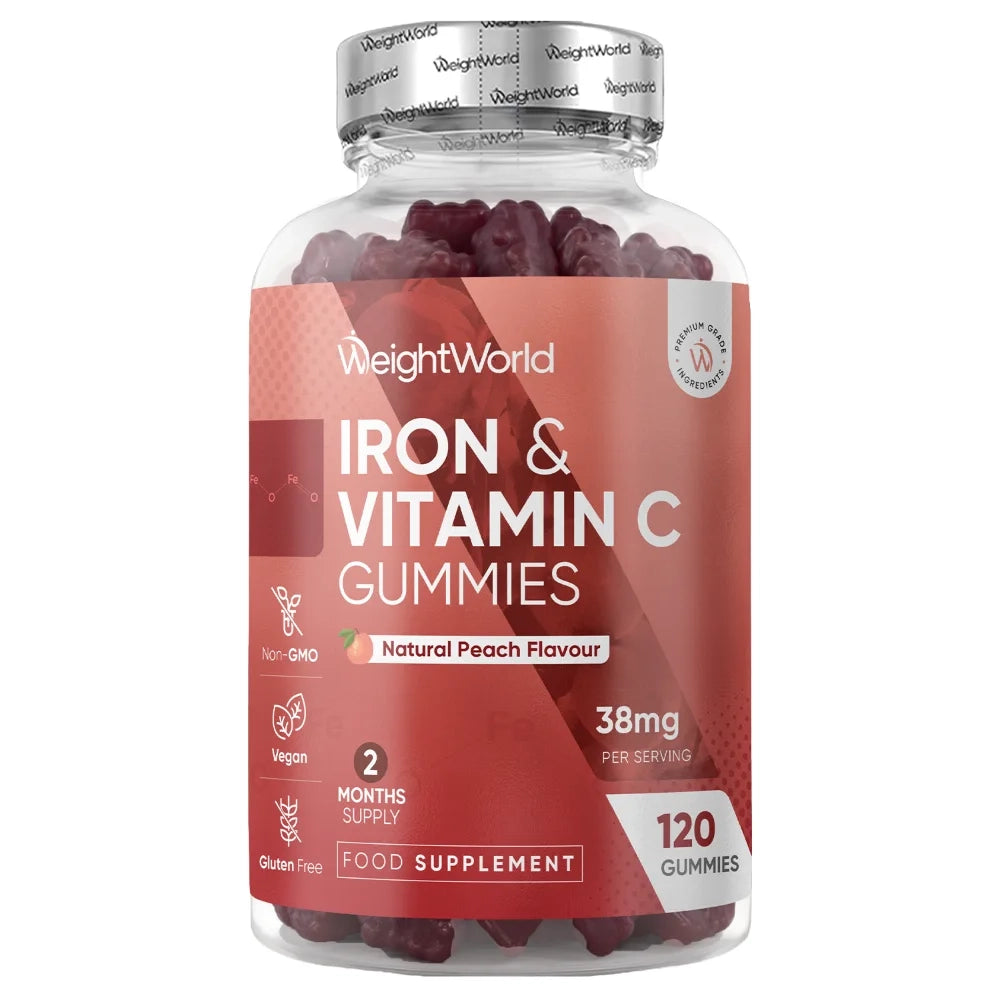
- Iron: Vitamin”?C improves non-heme iron absorption; consider a combined supplement if iron status is low.
- Vitamin”?E: Works alongside vitamin”?C to protect cell membranes from oxidative damage.
Monitoring and Adjusting
Track any changes in energy, skin appearance, or immune response over a 2-4-week period. If gastrointestinal upset occurs, switch to a buffered or gummy form, which often reduces acidity.
Potential Side Effects and Safety Considerations
Vitamin”?C is water-soluble, and excess amounts are typically excreted in urine. However, excessive intake can lead to mild side effects:
- Stomach cramps or diarrhea at doses above 2,000″?mg per day.
- Increased oxalate formation, which may affect individuals prone to kidney stones.
Consultation with a healthcare professional is advisable for pregnant or nursing individuals, those with a history of kidney disorders, or anyone taking medication that may interact with high-dose vitamin”?C (e.g., certain anticoagulants).
Frequently Asked Questions
Is natural vitamin”?C better than synthetic?
Both forms provide the same active molecule (ascorbic acid). Natural sources often contain additional phytochemicals that may offer extra antioxidant benefits, but the synthetic form is equally effective when purity is assured.
Can vitamin”?C prevent the common cold?
Research indicates that regular supplementation may shorten the duration of cold symptoms, though it does not prevent infection outright. Consistent daily intake is more beneficial than high-dose “mega-bolus” strategies.
How long does it take to see results?
Skin and connective-tissue benefits typically become noticeable after 4-6 weeks of consistent use, while immune support can be observed within a few days of maintaining adequate plasma levels.
Conclusion: Making an Informed Choice
Vitamin”?C remains a cornerstone of nutritional health, offering antioxidant protection, immune enhancement, and essential support for collagen synthesis. Selecting a high-quality supplement, whether an ascorbic acid tablet, a buffered formula, or a fruit-derived gummy, should be guided by dosage needs, digestive tolerance, and third-party verification. By pairing vitamin”?C with complementary nutrients and monitoring personal response, individuals can harness its full potential to boost overall wellness and maintain vibrant health.