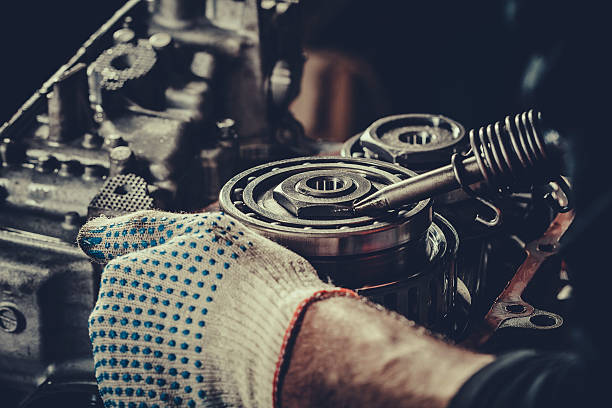
Changing the transmission fluid in your vehicle is a crucial maintenance task that ensures smooth operation and prolongs the lifespan of your transmission system. Whether you’re dealing with traditional automatic transmissions or the more modern CVT gearboxes, understanding the process of a DIY transmission fluid change is valuable. This guide will walk you through the steps needed to complete a transmission fluid change in a safe and efficient manner.
Why Change Transmission Fluid?
Transmission fluid lubricates, cools, and powers the transmission system. Over time, it can degrade, leading to:
- Reduced lubrication efficiency
- Increased wear and tear on transmission components
- Possible overheating and damage
For those using CVT transmissions, regular maintenance is even more critical due to the unique demands of these systems.
Tools and Materials Required
Before starting, gather the necessary tools and materials to ensure a seamless automatic fluid change:
- Jack and jack stands
- Set of wrenches and sockets
- Drain pan
- Funnel
- New transmission fluid (check your vehicle’s manual for specifications)
- Replacement filter and gasket (if applicable)
- Rags and cleaning supplies
Step-by-Step Procedure
Step 1: Prepare Your Vehicle
- Park your vehicle on a level surface and ensure the engine is off and cool.
- Use a jack to lift the vehicle and secure it with jack stands.
Step 2: Drain Old Transmission Fluid
- Place the drain pan under the transmission pan.
- Remove the drain plug with a suitable wrench to let the old fluid drain completely.
- Once drained, replace and tighten the drain plug.
Step 3: Replace the Filter and Gasket
- Remove the bolts securing the transmission pan and carefully lower the pan.
- Take out the old filter and install the new one.
- Clean the pan and install a new gasket before reattaching the pan with bolts.
Step 4: Add New Transmission Fluid
- Use a funnel to pour the new transmission fluid into the dipstick tube.
- Start the engine and let it idle, then cycle through all the gears to ensure proper distribution.
Check the fluid level as per your vehicle’s manual and add more fluid if required. For a detailed understanding of the automatic transmission oil change, consult your vehicle’s service manual.
Final Checks and Considerations
After completing the auto transmission oil change, it is essential to ensure there are no leaks around the pan and that the fluid level is correct. Regular checks and changes of transmission fluid can significantly enhance the performance and longevity of CVT gearboxes and automatic transmissions alike.