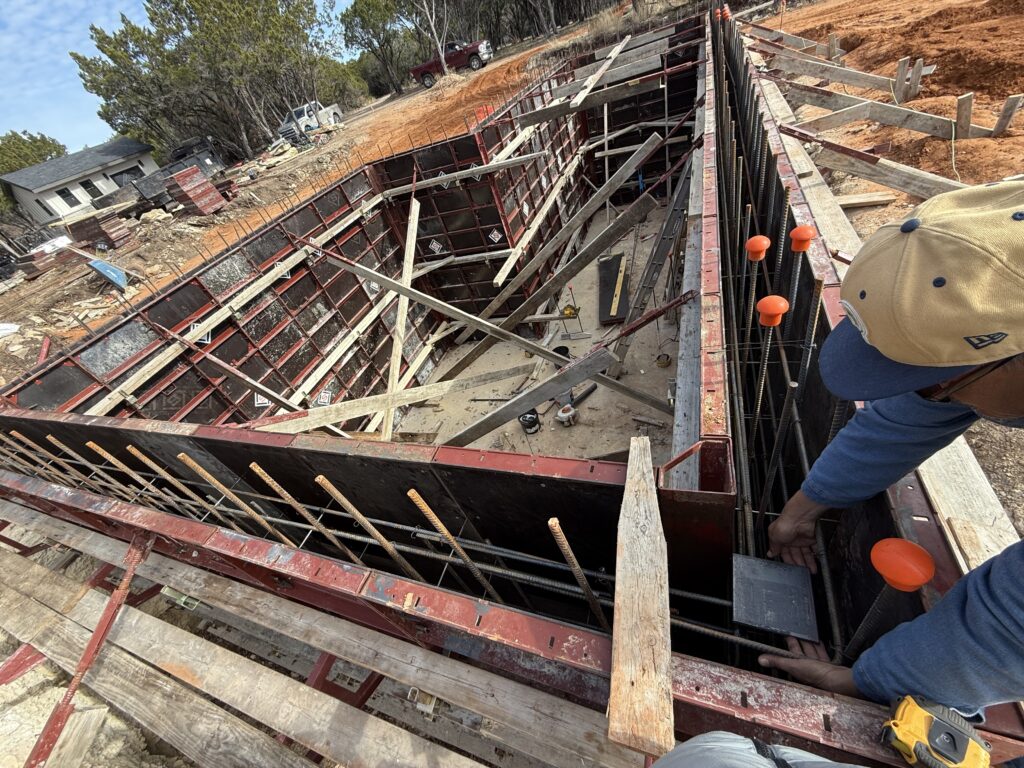
Every homeowner knows that a solid foundation is the backbone of a safe, comfortable residence. Over time, natural settling, moisture intrusion, and soil movement can compromise this critical structure, leading to costly repairs if left unchecked. Understanding the warning signs, conducting a systematic inspection, and applying proven repair methods are essential steps to protect both the integrity of the building and the investment it represents. The following guide offers a professional roadmap for diagnosing and addressing foundation concerns, drawing on industry-tested practices and resources such as those found at Discover expert strategies here.
Understanding Common Foundation Issues
Before diving into repair techniques, it’s important to recognize the typical problems that affect residential foundations. These issues often manifest in predictable ways, allowing early detection and intervention.
- Cracks in concrete slabs or walls – Horizontal cracks may indicate pressure from expanding soil, while vertical cracks often result from settling.
- Uneven floors – Noticeable dips or sloping can signal a shift in support beams or footings.
- Sticking doors and windows – Misalignment caused by foundation movement can make hardware jam.
- Moisture problems – Persistent dampness, mold, or efflorescence points to water infiltration.
- Exterior wall separation – Gaps between the house and its exterior cladding suggest lateral movement.
Identifying these symptoms early enables homeowners to act before structural damage escalates. For a deeper dive into diagnosing these signs, Learn about our tailored solutions.
Conducting a Thorough Inspection
Visual Checks
Start with a systematic visual survey of both the interior and exterior of the property. Walk the perimeter, examine the crawl space, and look for the following:
- Visible cracks in foundation walls or slab edges.
- Water pooling near the base of walls after rain.
- Changes in the level of interior flooring compared to exterior grade.
- Evidence of soil erosion or shifting around footings.
Document each observation with photos and notes; this record will be invaluable when consulting a specialist.
Professional Assessment
While DIY inspections are useful, a qualified structural engineer or foundation specialist can provide a definitive diagnosis. They employ tools such as laser levels, moisture meters, and soil tests to quantify the extent of movement. Engaging a professional also ensures compliance with local building codes and helps determine the most appropriate repair method. For guidance on selecting qualified experts, Explore advanced guides and tips.
Effective Repair Strategies
Once the root cause is identified, the repair approach should be matched to the specific condition. Below are the most common and reliable techniques used in residential foundation repair:
- Underpinning – Installing additional support piers beneath existing footings to stabilize and lift settled sections.
- Slabjacking (mudjacking) – Pumping a cementitious grout beneath a sunken slab to raise it back to level.
- Carbon fiber reinforcement – Applying high-strength strips to walls to resist lateral forces without extensive excavation.
- Drainage improvements – Adding French drains, surface grading, or sump pumps to redirect water away from the foundation.
- Soil stabilization – Using chemical or mechanical methods to compact and strengthen problematic soils.
Choosing the right method depends on factors such as soil type, extent of movement, and budget constraints. Detailed case studies and step-by-step explanations are available at Find out more about this approach.
Preventive Maintenance for Long-Term Stability
Repair is only half the battle; ongoing maintenance protects the foundation from future issues. Implement the following practices to sustain a healthy structural base:
- Maintain proper grading: Ensure the ground slopes away from the house at a minimum of 5% for at least 10″?feet.
- Monitor moisture levels: Use gutters and downspouts to channel rainwater away, and keep basement humidity below 60″?%.
- Inspect annually: Conduct a quick visual check each spring and fall to catch early signs of movement.
- Avoid heavy loads near foundations: Do not store large equipment or stockpiled materials directly against the foundation walls.
- Address landscaping concerns: Tree roots can pull on footings; keep large trees at a safe distance.
Consistent attention to these details reduces the likelihood of costly repairs and extends the lifespan of the home’s structural core. For a comprehensive maintenance checklist, Discover expert strategies here.
Final Thoughts
Foundation integrity is non-negotiable when it comes to preserving property value and ensuring occupant safety. By recognizing early warning signs, conducting methodical inspections, applying targeted repair techniques, and committing to preventive upkeep, homeowners can confidently manage foundation health. Leveraging reputable resources such as those provided by industry leaders helps streamline the process and guarantees that repairs meet the highest standards of quality and durability.