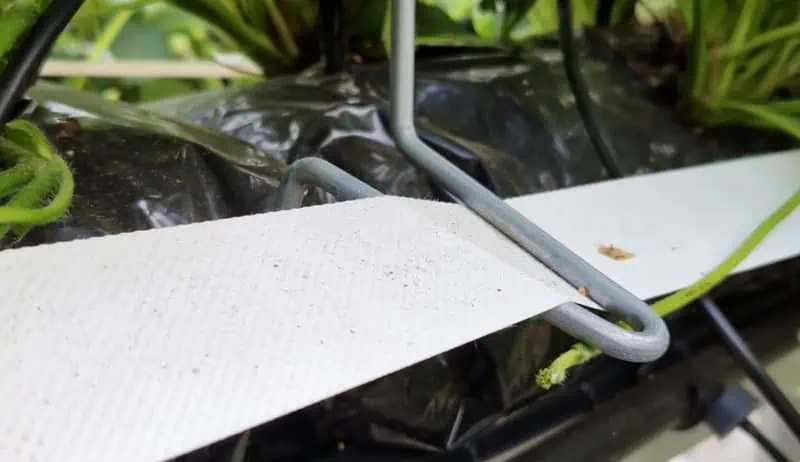
The efficient management of water resources is essential for both environmental sustainability and economic viability. Commercial irrigation services play a pivotal role in optimizing water usage across various landscapes, from agricultural fields to urban green spaces. By deploying advanced irrigation technologies, these services ensure that water is used judiciously and with minimal waste. As water scarcity becomes an increasingly pressing global issue, the adoption of strategic irrigation practices is more critical than ever.
Understanding Commercial Irrigation Services
Commercial irrigation services encompass a range of technologies and practices designed to deliver water to plants and crops in a controlled and efficient manner. These services are tailored to meet the specific needs of different environments, ensuring optimal water distribution and conservation.
Key Components of Irrigation Systems
A typical commercial irrigation system may include the following components:
- Drip Irrigation: Delivers water directly to the root zone, minimizing evaporation and runoff.
- Sprinkler Systems: Mimic natural rainfall, covering large areas with adjustable water distribution.
- Controllers and Sensors: Automate the irrigation process, adjusting based on weather conditions and soil moisture levels.
- Pumps and Valves: Regulate water flow and pressure, ensuring consistent delivery across the system.
For a more comprehensive understanding of these components, read more about this topic.
Benefits of Efficient Water Usage
Implementing commercial irrigation services offers several advantages, including:
- Water Conservation: By using precise irrigation methods, water wastage is significantly reduced.
- Cost Savings: Efficient systems lead to lower water bills and reduced resource expenditure.
- Enhanced Plant Health: Consistent and controlled watering promotes robust plant growth and productivity.
- Environmental Sustainability: Responsible water management supports ecosystems and reduces the impact on natural water sources.
To explore further insights on how these benefits are achieved, learn more in this detailed guide.
Technological Innovations in Irrigation
The advancement of technology has significantly transformed the field of irrigation. Innovations such as IoT-enabled systems, real-time monitoring, and data-driven analytics have revolutionized water management. These technologies enable precise control over water usage, adapting to changing environmental conditions.
Emerging Technologies
Some of the cutting-edge technologies being integrated into commercial irrigation services include:
- Smart Sensors: Measure soil moisture, weather conditions, and plant health to optimize watering schedules.
- Automated Systems: Use algorithms and sensors to adjust water delivery without manual intervention.
- Remote Monitoring: Allows users to oversee and control irrigation systems from anywhere, improving efficiency and convenience.
To find additional information on these technologies, explore further insights here.
Implementing Sustainable Solutions
Adopting sustainable irrigation practices is a step towards addressing the challenges of water scarcity and environmental conservation. By leveraging commercial irrigation services, businesses and organizations can contribute to a more sustainable future.
For those interested in implementing these sustainable solutions, find additional information here.
In conclusion, commercial irrigation services offer a pathway to more efficient and responsible water usage. By integrating advanced technologies and sustainable practices, these services not only enhance productivity but also safeguard critical water resources for future generations.