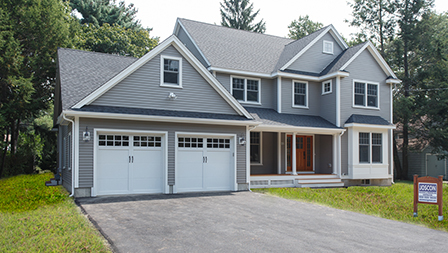
Residential construction projects are intricate endeavors that require careful planning and execution. From the initial concept to obtaining necessary permits, each step is crucial to the success of the project. Understanding the nuances of the process can help streamline operations and ensure that the final outcome meets both aesthetic and functional requirements. This article explores the critical phases of residential construction, offering insights into planning and permitting while providing valuable resources for further guidance.
Initial Planning and Design
The first step in any residential construction project is thorough planning. This phase entails:
- Identifying the project’s scope and objectives.
- Choosing a suitable location, considering factors such as neighborhood, accessibility, and land characteristics.
- Developing a preliminary budget that aligns with financial constraints and goals.
- Engaging with architects and designers to create a conceptual design.
For more information on effective planning strategies, discover expert strategies here.
Detailed Design and Documentation
Once the initial plans are in place, the focus shifts to detailed design and documentation. This involves:
- Creating comprehensive architectural drawings and specifications.
- Collaborating with engineers to ensure structural integrity and compliance with regulations.
- Developing interior designs, including layouts, materials, and finishes.
- Preparing detailed documentation for contractor bidding and construction.
Learn about our tailored solutions to enhance this phase.
Budgeting and Financial Management
Effective budgeting is critical to the success of a residential construction project. Key considerations include:
- Estimating costs accurately to prevent budget overruns.
- Securing financing, whether through loans, investors, or personal funds.
- Monitoring expenses throughout the project to ensure they align with the budget.
- Adjusting financial plans as necessary to accommodate changes or unforeseen circumstances.
Explore advanced guides and tips for efficient financial management.
Obtaining Necessary Permits
Permitting is a critical aspect of residential construction, ensuring compliance with local building codes and regulations. The process typically involves:
- Researching local zoning laws and building codes.
- Filing applications for necessary permits, such as building, electrical, plumbing, and mechanical permits.
- Coordinating with local authorities and inspectors to secure approvals.
- Keeping track of permit timelines to avoid delays in the construction schedule.
To navigate the complexities of permitting, find out more about this approach.
Construction Management and Execution
With permits secured, the construction phase can commence. Essential elements of this phase include:
- Hiring experienced contractors and subcontractors.
- Implementing a project management plan to oversee construction activities.
- Ensuring quality control and safety measures are in place.
- Conducting regular site inspections to monitor progress and compliance.
For insights into effective construction management, explore advanced guides and tips.
Conclusion
Successful residential construction projects rely on meticulous planning, detailed design, and diligent management of both budget and permits. By understanding each phase and leveraging expert resources, such as those available at Joscon Management, stakeholders can ensure that their projects meet expectations and are completed on time and within budget.