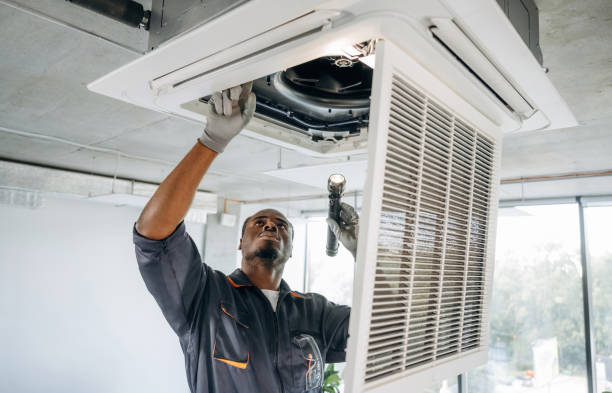
Commercial heating, ventilation, and air-conditioning (HVAC) systems are the lifeblood of modern workplaces, ensuring comfort, indoor air quality, and equipment reliability. Because these systems operate continuously under demanding conditions, neglecting routine maintenance can lead to reduced efficiency, unexpected breakdowns, and costly repairs. Understanding why regular commercial HVAC maintenance matters, and implementing a structured maintenance program, helps facility managers protect both the bottom line and the health of building occupants.
Key Benefits of a Consistent Maintenance Schedule
A proactive approach to HVAC upkeep yields measurable advantages that extend beyond simple equipment preservation. The most significant benefits include:
- Energy Efficiency: Clean filters, calibrated thermostats, and well-lubricated components reduce energy consumption, often lowering utility bills by 10-30%.
- Extended Equipment Life: Regular inspections identify wear before it becomes catastrophic, adding years to the lifespan of expensive compressors and fans.
- Improved Indoor Air Quality (IAQ): Properly maintained ducts and filters remove pollutants, supporting employee health and productivity.
- Reduced Downtime: Predictive maintenance prevents surprise failures that can halt operations and disrupt business continuity.
- Regulatory Compliance: Many jurisdictions require documented HVAC inspections to meet safety and environmental standards.
For a deeper dive into how maintenance drives efficiency, Read more about this topic.
Core Components of an Effective Maintenance Program
1. Routine Inspections
Scheduled visual and operational checks should be performed at least quarterly. Inspectors verify:
- Filter condition and replacement needs
- Refrigerant levels and potential leaks
- Electrical connections for signs of corrosion or wear
- Fan belts, motors, and bearings for proper tension and lubrication
- Thermostat accuracy and control logic
2. Preventive Service Tasks
Preventive tasks are performed according to manufacturer recommendations and include:
- Cleaning coils and heat exchangers to maintain heat transfer efficiency
- Flushing condensate drains to prevent mold growth and water damage
- Testing safety controls such as high-limit switches and pressure relief valves
- Calibrating sensors and updating firmware on smart HVAC controllers
3. Documentation and Tracking
Accurate records enable trend analysis and support compliance audits. Essential documentation includes:
- Date, scope, and results of each service visit
- Parts replaced and labor hours logged
- Performance metrics such as airflow rates and temperature differentials
- Recommendations for future repairs or upgrades
To explore best practices for maintenance documentation, Learn more in this detailed guide.
Financial Implications of Neglect
Skipping regular maintenance can quickly become a hidden expense. Common financial repercussions include:
- Higher Energy Bills: Dirty components force the system to work harder, increasing utility costs.
- Expensive Emergency Repairs: A minor refrigerant leak left unchecked can cause compressor failure, resulting in a replacement cost that can exceed $10,000.
- Lost Revenue: Unplanned downtime in climate-controlled environments, such as data centers or retail spaces, can interrupt operations and affect sales.
- Penalty Risks: Failure to meet local code requirements may lead to fines or forced shutdowns.
For an analysis of cost-avoidance strategies, Explore further insights here.
Integrating Technology into Maintenance
Modern HVAC systems increasingly rely on digital monitoring and IoT sensors. Leveraging these tools can enhance maintenance efficiency:
- Remote Diagnostics: Real-time data allows technicians to identify issues before they manifest on site.
- Predictive Analytics: Algorithms forecast component failure based on usage patterns, enabling just-in-time service.
- Automated Scheduling: Software platforms generate work orders automatically when performance thresholds are crossed.
For examples of how digital tools streamline service, Find additional information here.
Conclusion
Regular commercial HVAC maintenance is not a discretionary expense but a strategic investment that safeguards energy efficiency, equipment longevity, indoor air quality, and regulatory compliance. By establishing a disciplined inspection routine, documenting every action, and embracing emerging technologies, facility managers can minimize unexpected failures, control operating costs, and create healthier work environments. The cumulative impact of these practices translates into measurable savings and operational resilience, key objectives for any modern commercial enterprise.