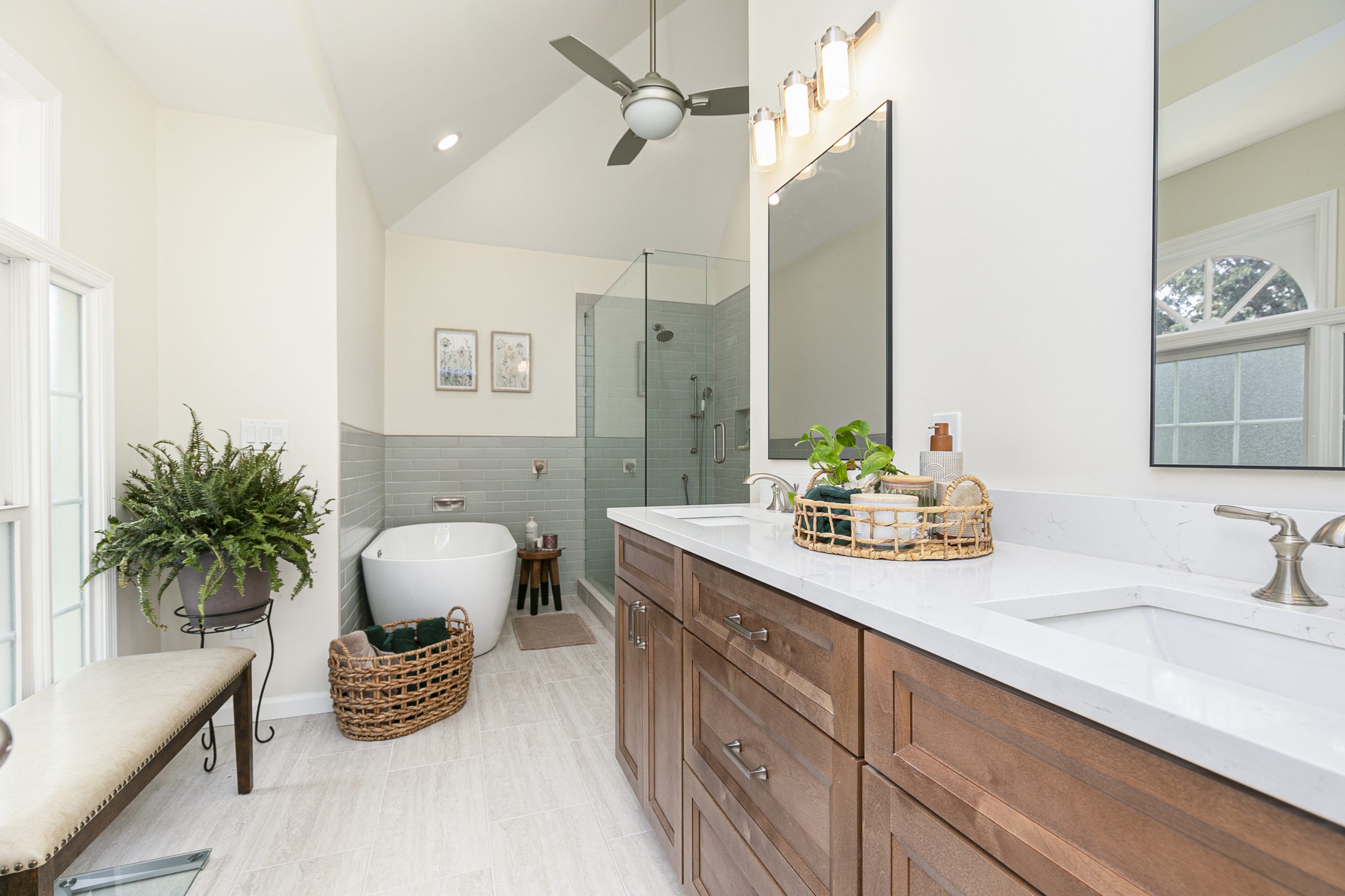
The design-build approach is revolutionizing the way homeowners conceive and execute their renovation projects. By integrating design and construction services, this methodology ensures a seamless, efficient, and stress-free renovation experience. As homeowners increasingly seek personalized and efficient renovation solutions, understanding the benefits and processes of the design-build approach becomes crucial. This article delves into key aspects of this innovative strategy, providing insights and tips for a successful home renovation journey.
The Essence of Design-Build: A Unified Process
Unlike traditional renovation methods where design and construction are separate entities, the design-build approach combines these phases into a single, cohesive process. This integration fosters a collaborative environment where designers and builders work together from the project’s inception through its completion.
Find out more about this approach.
Benefits of the Design-Build Approach
- Streamlined Communication: With a single point of contact, communication becomes more efficient, reducing the risk of misunderstandings or discrepancies.
- Enhanced Flexibility: Adjustments and modifications can be made seamlessly as design and construction teams collaborate closely.
- Time-Efficiency: Overlapping phases of design and construction minimize delays, ensuring the project progresses smoothly.
- Cost-Effectiveness: By addressing potential issues early in the design phase, unforeseen expenses are minimized.
Implementing a Design-Build Strategy for Your Renovation
Adopting a design-build strategy requires careful planning and consideration. The following steps can guide homeowners through a successful renovation journey using this approach.
Explore advanced guides and tips.
1. Define Clear Objectives
Establishing well-defined objectives is crucial. Determine the scope of the renovation, desired outcomes, and any specific requirements or preferences. Having a clear vision enables the design-build team to tailor solutions that align with the homeowner’s expectations.
Learn about our tailored solutions.
2. Choose the Right Team
Selecting an experienced design-build firm is vital. Look for teams with a proven track record in similar projects and a commitment to open communication and collaboration. The right team will not only execute the project efficiently but also enhance the overall renovation experience.
3. Foster Ongoing Collaboration
Maintain regular communication with the design-build team. This collaboration ensures that any challenges are promptly addressed and that the project remains aligned with the homeowner’s vision. Open dialogue also facilitates innovative solutions and creative problem-solving.
Ensuring Success with the Design-Build Approach
While the design-build approach offers numerous benefits, its success depends on the homeowner’s active participation and engagement. By staying involved and informed, homeowners can ensure their renovation project meets their expectations and delivers exceptional results.
Discover expert strategies here.
Embrace Technology and Innovation
Leveraging the latest technology and innovative construction methods can enhance the design-build process. From virtual design platforms to sustainable building materials, adopting modern solutions can improve efficiency and environmental sustainability.
Evaluate and Reflect
Upon project completion, evaluate the process and outcomes. Reflecting on what worked well and areas for improvement can provide valuable insights for future projects. A well-organized review can also enhance satisfaction and foster a sense of achievement.
The design-build approach to home renovation offers a comprehensive, streamlined method that simplifies the renovation process while delivering high-quality results. By understanding its core principles and engaging actively in the process, homeowners can achieve their renovation goals with confidence and ease.
Explore advanced guides and tips.